
Popular Tree Removal Products for Professionals and Homeowners
Discover reliable equipment and accessories that make tree removal easier, faster, and more effective for all skill levels.
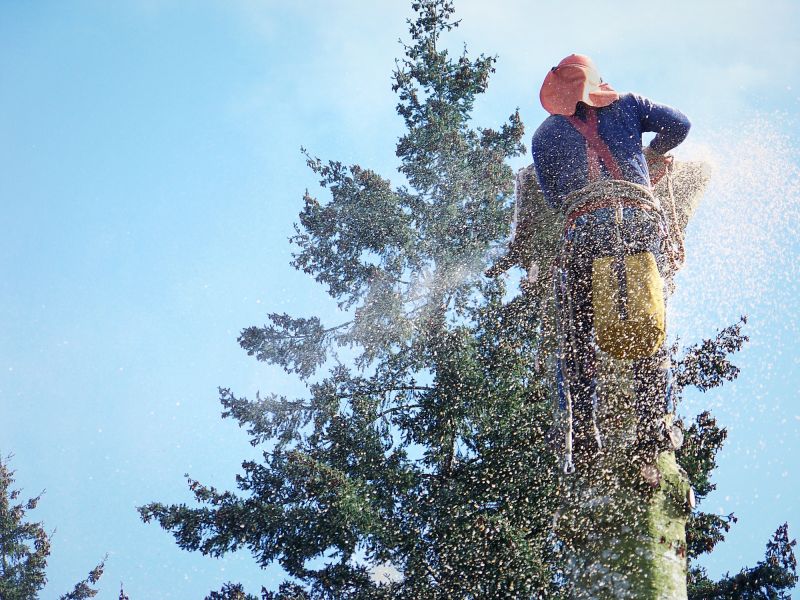 When undertaking tree removal projects, selecting the right tools and equipment is essential for safety and efficiency. The process often involves a combination of manual tools, power equipment, and safety gear to ensure the task is completed effectively. From handheld pruning saws to heavy-duty chainsaws, the variety of products available caters to different tree sizes and removal complexities. Proper planning and the right equipment can help mitigate risks associated with falling branches or trees, especially in residential or commercial settings.
Top Overall Option
Multi-Function Tree Removal Kit
A comprehensive tree removal kit that includes a versatile chainsaw, safety gear, and accessories designed for various tree sizes. It offers a balanced combination of power, safety, and convenience, making it suitable for both professionals and serious DIYers. The kit's modular components enable efficient handling of different removal tasks while maintaining safety standards.
Types of Products For Tree Removals
Chainsaws
Powerful handheld tools designed for cutting through thick branches and trunks of various sizes.
Pruning Saws
Manual saws ideal for trimming smaller branches and precise cuts.
Pole Saws
Extendable saws that allow reach into high branches without a ladder.
Hand Pruners
Compact tools for trimming small branches and foliage.
Chainsaw Carving Tools
Specialized chainsaws used for detailed carving and shaping of wood after removal.
Stump Grinders
Machines designed to grind down and remove remaining tree stumps after felling.
Ropes and Harnesses
Safety equipment for controlled climbing and descent during tree removal.
Wedges and Axes
Tools used to guide the direction of falling and for initial cuts.
Ladders and Elevated Work Platforms
Equipment to access high branches safely.
Debris Bags and Chutes
Accessories for collecting and managing cut branches and wood debris.
Safety Helmets and Gloves
Protective gear essential for reducing injury risk during removal.
Battery-Powered Tools
Cordless options for increased mobility and ease of use.
Manual Pole Pruners
Hand-operated tools for trimming high branches without power tools.
Tree Climbing Gear
Specialized equipment for professional arborists to ascend and work in trees safely.
Log Splitters
Machines used to process felled trees into manageable firewood.
Tree Removal Blades
Specialized blades for cutting through dense wood and roots.
Popular Choices
Portable chainsaws powered by rechargeable batteries, suitable for various removal tasks.
Versatile tools for reaching high branches with minimal equipment.
Machines capable of efficiently removing stubborn stumps after tree felling.
Protective headgear designed for high-risk tree removal activities.
Easy-to-use tools for quick trimming of small branches.
Safety gear for professional arborists working at heights.
Machines that convert branches and small trees into mulch or chips.
Equipment to control the fall of large branches or trees.
Cordless tools for trimming high branches with ease.
Complete sets including helmets, gloves, eye protection, and harnesses.
High-powered saws suitable for large-scale tree removal projects.
Tools used to guide the direction of falling for safety and precision.
Accessories that enhance ladder stability during high work.
Equipment for lifting and supporting large tree sections safely.
Heavy-duty bags for collecting branches and wood debris.
Tools to assist in pulling or lowering large branches or trees.
Gear for professional climbers to ascend and work in trees securely.
Specialized equipment for extracting roots after stump removal.
Understanding the scope of the removal project is crucial. Smaller trees or branches might only require manual hand saws or pruning tools, while larger trees necessitate more powerful machinery such as chainsaws or stump grinders. Safety equipment like helmets, gloves, and eye protection should always accompany the tools to prevent injuries. Additionally, accessories like ropes, harnesses, and wedges can assist in controlled removals and reduce hazards. Proper training and adherence to safety guidelines are vital, regardless of the equipment used.
Investing in quality products can make tree removal work more manageable, especially for professionals or serious DIY enthusiasts. While there are many options on the market, selecting tools that match the specific requirements of your project, including the size of trees, terrain, and your experience level, can lead to better results. Maintenance and proper storage of equipment also contribute to their longevity and safe operation. Whether performing a small pruning or a large-scale removal, the right products can help ensure the process is safe, efficient, and productive.
In Snellville, GA, where residential properties often feature mature trees, having reliable tools for tree removal is particularly important. Local regulations and safety standards should also be considered when planning a removal project. By choosing appropriate equipment and understanding key considerations, homeowners and professionals alike can approach tree removal with confidence and preparedness.
Key Buying Considerations
- Tree size and trunk diameter to determine the necessary power and size of tools.
- Type of tree removal—whether felling, pruning, or stump grinding—to select appropriate equipment.
- Safety features such as kickback protection, safety guards, and ergonomic design.
- Power source preferences—gas, electric, or battery-powered—based on mobility and convenience.
- Ease of use and user experience, particularly for DIY projects versus professional use.
- Durability and build quality to withstand frequent or heavy-duty use.
- Availability of replacement parts and accessories for maintenance.
- Weight and portability, especially for equipment that needs to be moved frequently.
- Noise levels, particularly in residential areas where quiet operation may be preferred.
- Storage options for equipment to ensure longevity and safety.
- Cost and budget considerations relative to the scope of the project.
- Compatibility with existing tools or accessories you may already own.
- Local regulations or permits required for large tree removal or stump grinding.
- Training or instruction availability for complex or powerful equipment.
- Environmental conditions, such as terrain and accessibility, affecting equipment choice.